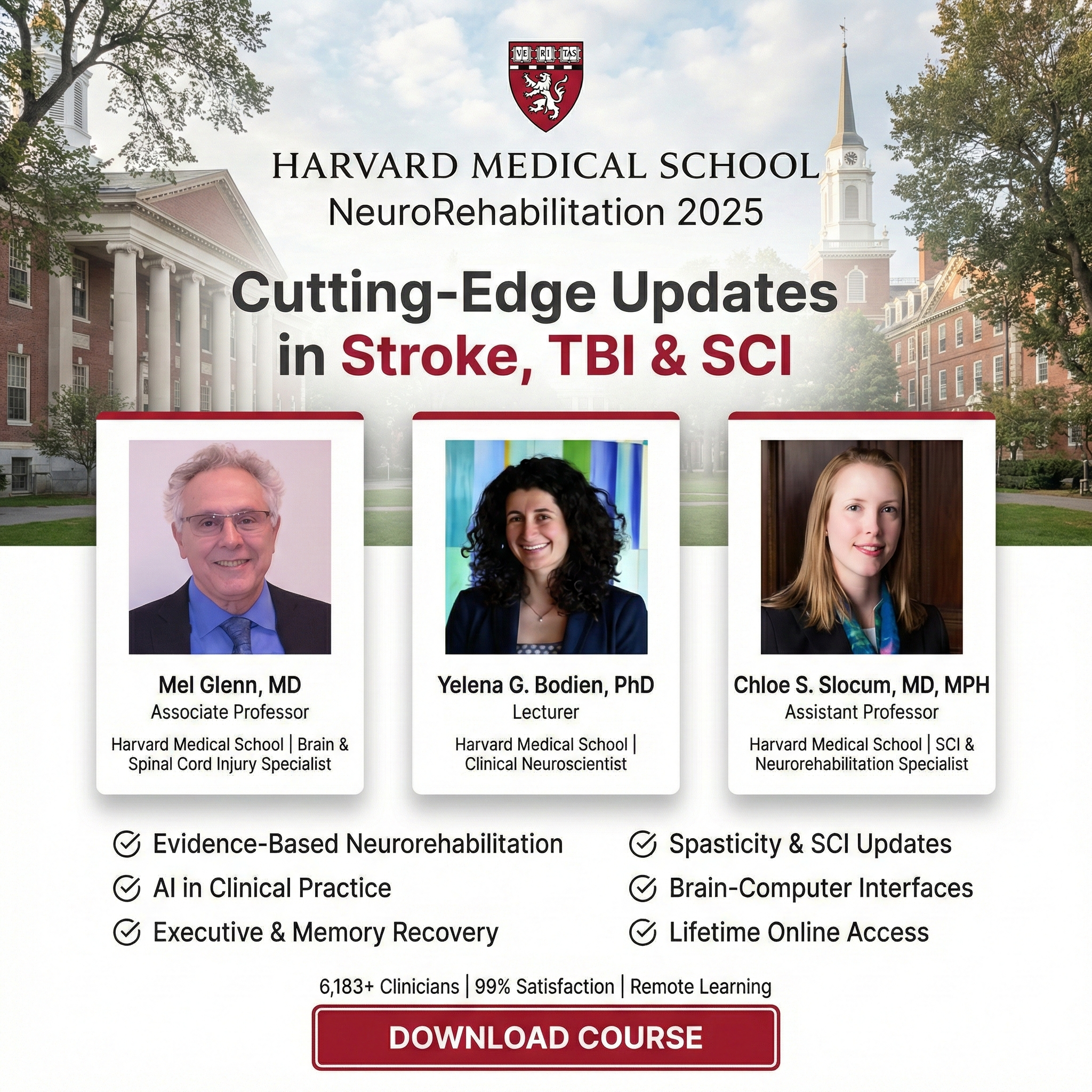
Harvard NeuroRehabilitation 2025
Stroke · Spinal Cord Injury · Traumatic Brain Injury · Functional Neurologic Disorders · Neurodegenerative Disease
A comprehensive neurorehabilitation program focused on evidence-based strategies, emerging technologies, and practical clinical approaches to recovery, function, participation, and quality of life.
Navigate the complexity of modern neurorehabilitation
Patients with stroke, spinal cord injury, traumatic brain injury, functional neurological disorders, and degenerative neurological disease often face disruption across many areas of daily life.
At the same time, rehabilitation approaches continue to expand rapidly, making it difficult for clinicians to remain current with evidence-based options and select the best strategies for individual patients.
NeuroRehabilitation 2025 brings together practical updates, case-based education, and strategies designed to support recovery, independence, participation, and quality of life.
- Review comprehensive updates across stroke, SCI, TBI, and neurodegenerative disease
- Apply evidence-based approaches to challenging and complex rehabilitation cases
- Explore strategies for improving function, participation, and quality of life
- Review emerging technologies including AI and brain-computer interfaces
- Use practical take-home concepts across multidisciplinary rehabilitation care
Why This Course Matters
Connect evidence-based rehabilitation strategies with evolving technology and complex real-world patient needs.
The course addresses recovery, long-term function, quality of life, and new treatment options across major neurorehabilitation populations.
Enhance recovery
Review memory and executive rehabilitation, spasticity, early ICU mobilization, orthotics, aphasia, vision rehabilitation, and stroke recovery.
Improve quality of life
Explore wellness, resilience, women’s health after SCI, pressure injury management, dementia care, obesity, and long-term adjustment.
Use emerging technology
Review artificial intelligence, gamified rehabilitation, brain-computer interfaces, brain-spinal interfaces, and new neurorecovery technologies.
Manage complex populations
Build knowledge across severe and mild TBI, PTSD, SCI, ALS, Parkinson’s disease, functional neurologic disorders, and disorders of consciousness.
Complete NeuroRehabilitation 2025 Curriculum
Open each section to review all 55 listed sessions and speakers in program order.
Curriculum Sessions 1–11 11 Sessions
Sequential sessions from the complete NeuroRehabilitation 2025 program.
-
Mel Glenn, MD
Session 1
Welcome and Announcements
-
Nicole Mazwi, MD
Keynote
Early Mobilization of Patients in the ICU
-
Q&A / Discussion
Session 3
Q&A with Dr. Mazwi
-
Monica Verduzco-Gutierrez, MD
Keynote
The Management of Spasticity
-
Q&A / Discussion
Session 5
Q&A with Dr. Verduzco-Gutierrez
-
Paolo Bonato, PhD
Session 6
Artificial Intelligence and Machine Learning in Neurorehabilitation
-
Q&A / Discussion
Session 7
Q&A with Dr. Bonato
-
Joseph Giacino, PhD
Session 8
Common Causes of Diagnostic Error in Patients with Severe Brain Injury
-
Dawn Lucier, PT
Session 9
Lower Extremity Orthotics After Stroke
-
Kimberly Anderson, PhD
Session 10
The Perspective of People Living with SCI
-
Brian Wishart, DO
Session 11
Pediatric TBI
Curriculum Sessions 12–22 11 Sessions
Sequential sessions from the complete NeuroRehabilitation 2025 program.
-
Samira Mortazavi, OD
Session 12
Vision Rehabilitation After Stroke
-
Kathleen Salas, PT, MHA
Session 13
Sports & Exercise for People with SCI
-
Grant Iverson, PhD
Session 14
New Diagnostic Criteria for Mild TBI
-
Jay Alberts, PhD
Session 15
Forced Exercise for Parkinson's Disease
-
Leigh Hochberg, MD, PhD
Session 16
Brain-Computer and Brain-Spinal Cord Interfaces
-
Therese O'Neil-Pirozzi, ScD, CCC-SLP
Session 17
Rehabilitation of Memory Disorders After TBI and Stroke
-
Marika Hess, MD
Session 18
Update on ASIA Classification
-
Mel Glenn, MD
Session 19
Morning Introduction
-
Ross Zafonte, DO
Keynote
What Can We Learn from Studying American Football Players?
-
Q&A / Discussion
Session 21
Q&A with Dr. Zafonte
-
Jenna Tosto-Mancuso, PT, DPT
Session 22
Gamified Neurorehabilitation Strategies
Curriculum Sessions 23–33 11 Sessions
Sequential sessions from the complete NeuroRehabilitation 2025 program.
-
Q&A / Discussion
Session 23
Q&A with Dr. Tosto-Mancuso
-
Yelena Bodien, PhD
Session 24
Recovery and Outcome After Severe TBI and Disorders of Consciousness
-
Scott McGinnis, MD
Session 25
Pharmacologic Treatment of Dementia
-
Ann Marie Warren, PhD
Session 26
Resilience and Adjustment During Rehabilitation After SCI
-
Mel Glenn, MD
Session 27
Chronic TBI
-
David Lin, MD
Session 28
Models of Stroke Neurorecovery: The Cutting Edge
-
Sunil Sabharwal, MD
Session 29
Aging with SCI
-
Olivia Gampel, SLP & Emmaleigh Loyer, SLP
Session 30
Rehabilitation of Executive Dysfunction After TBI and Stroke
-
Sabrina Paganoni, MD, PhD
Session 31
Update on Amyotrophic Lateral Sclerosis
-
Eve Valera, PhD
Session 32
Domestic Violence and TBI
-
Esther Herring, MS, CCC-SLP
Session 33
Life Participation Approach to Aphasia
Curriculum Sessions 34–44 11 Sessions
Sequential sessions from the complete NeuroRehabilitation 2025 program.
-
Shalender Bhasin, MD
Session 34
Endocrine Issues After SCI
-
Lauren Brenner, PhD & Johnny Jarnagin, MD
Session 35
Mild TBI and PTSD in the Military
-
Paul Winston, MD
Session 36
Cryoneurolysis for Spasticity
-
Brian Edlow, MD
Session 37
Covert Consciousness in Severe TBI
-
Brian Harris, MA, MT-BC, NMT/F
Not CME
Music Therapy in Stroke and Parkinson’s Disease
-
Chloe Slocum, MD, MPH
Session 39
Women’s Health After SCI
-
Ginger Polich, MD
Session 40
Rehabilitation of Functional Neurologic Disorders
-
Q&A / Discussion
Session 41
Q&A with Dr. Polich
-
Dawn Neumann, PhD
Session 42
Improving Psychological Health After Mild TBI with BEST
-
Elizabeth Frates, MD
Session 43
Wellness Groups for Stroke Survivors
-
Jennifer Godfrey, RN, CWCN
Session 44
Assessment and Treatment of Pressure Ulcers After SCI
Curriculum Sessions 45–55 11 Sessions
Sequential sessions from the complete NeuroRehabilitation 2025 program.
-
Hannah Steere, MD
Session 45
Pharmacologic Approaches to Emotional and Behavioral Dyscontrol After TBI
-
Priyanca Shah, DO, MBA
Session 46
Neglect/Inattention After Stroke
-
Dana Kotler, MD
Session 47
Musculoskeletal Overuse in People with SCI
-
Daniel Daneshvar, MD, PhD
Session 48
Risk Factors and Clinical Manifestation of CTE
-
Craig Rovito, MD
Session 49
The Shoulder After Stroke
-
James Doan, MD
Session 50
Autonomic Dysfunction After SCI
-
Simon Driver, PhD
Keynote
Obesity and Cardiometabolic Disease in TBI, Stroke, and SCI
-
Q&A / Discussion
Session 52
Q&A with Dr. Driver
-
Alyson Wolz, DNP
Session 53
Psycho-Pharmacogenomics in Neurorehabilitation
-
Q&A / Discussion
Session 54
Q&A with Dr. Wolz
-
Mel Glenn, MD
Session 55
Closing Remarks
A multidisciplinary review of neurologic recovery
The program connects acute recovery, chronic rehabilitation, quality of life, and emerging treatment technologies.
Stroke Recovery
Motor recovery, cognition, aphasia, neglect, vision, shoulder care, orthotics, wellness, and neurorecovery models.
TBI & Consciousness
Mild and severe TBI, PTSD, chronic TBI, CTE, behavioral dyscontrol, covert consciousness, and disorders of consciousness.
Spinal Cord Injury
SCI classification, pressure injuries, autonomic dysfunction, women’s health, aging, exercise, overuse, and consumer perspectives.
Neurotechnology
AI, machine learning, gamification, brain-computer interfaces, brain-spinal interfaces, and evolving therapeutic strategies.
Clinical focus and intended audience
A comprehensive program for professionals involved in neurorehabilitation and recovery-focused neurological care.
Key Areas of Learning
- Review rehabilitation of memory and executive skills after stroke and TBI.
- Update approaches to spasticity, pressure injuries, orthotics, early mobilization, and musculoskeletal complications.
- Explore evidence-based strategies for aphasia, vision dysfunction, neglect, emotional dysregulation, and functional neurologic disorders.
- Review rehabilitation challenges across SCI, pediatric TBI, chronic TBI, ALS, Parkinson’s disease, and disorders of consciousness.
- Understand emerging roles for AI, gamified therapies, neurointerfaces, pharmacogenomics, and other evolving technologies.
- Apply strategies intended to support function, participation, resilience, and quality of life.
Who Should Participate
The source identifies a broad multidisciplinary audience involved in neurological rehabilitation.
Course Directors
Leadership across brain injury, spinal cord injury, disorders of consciousness, and neurological rehabilitation.
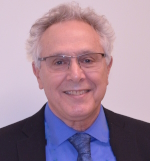
Associate Professor, Harvard Medical School. Specializes in brain and spinal cord injury and is Founding Editor of the Journal of Head Trauma Rehabilitation pharmacology column.
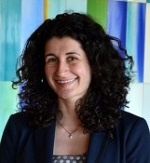
Lecturer, Harvard Medical School. Clinical neuroscientist focused on diagnostic precision for disorders of consciousness using neuroimaging and behavioral assessment.
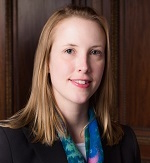
Assistant Professor, Harvard Medical School. Specializes in SCI medicine and neurological rehabilitation, with interests in health policy and disability health equity.
Distinguished Faculty
The source lists 43 faculty members spanning rehabilitation medicine, neurology, psychiatry, neuroscience, therapy, wound care, and related disciplines.
Shalender Bhasin, MD
Professor of Medicine, Harvard Medical School
Paolo Bonato, PhD
Assoc. Professor of PM&R, Harvard Medical School
Lauren Brenner, PhD
Instructor in Psychiatry, Harvard Medical School
Daniel Daneshvar, MD, PhD
Asst. Professor of PM&R, Harvard Medical School
Brian Edlow, MD
Assoc. Professor of Neurology, Harvard Medical School
Elizabeth Frates, MD
Assoc. Professor of PM&R (Part-time), HMS
Joseph Giacino, PhD
Professor of PM&R, Harvard Medical School
Marika Hess, MD
Instructor in PM&R, Harvard Medical School
Leigh Hochberg, MD, PhD
Senior Lecturer on Neurology (Part-time), HMS
Grant Iverson, PhD
Professor of PM&R, Harvard Medical School
Johnny Jarnagin, MD
Instructor in PM&R, Harvard Medical School
Dana Kotler, MD
Asst. Professor of PM&R, Harvard Medical School
David Lin, MD
Asst. Professor of Neurology (Part-time), HMS
Scott McGinnis, MD
Asst. Professor of Neurology, Harvard Medical School
Samira Mortazavi, OD
Instructor in Ophthalmology, Harvard Medical School
Sabrina Paganoni, MD, PhD
Assoc. Professor of PM&R, Harvard Medical School
Ginger Polich, MD
Asst. Professor of PM&R, Harvard Medical School
Craig Rovito, MD
Instructor in PM&R, Harvard Medical School
Sunil Sabharwal, MD
Assoc. Professor of PM&R, Harvard Medical School
Priyanca Shah, DO, MBA
Instructor in PM&R, Harvard Medical School
Hannah Steere, MD
Instructor in PM&R, Harvard Medical School
Eve Valera, PhD
Assoc. Professor of Psychiatry, Harvard Medical School
Brian Wishart, DO
Instructor in PM&R, Harvard Medical School
Ross Zafonte, DO
Professor and Chair of PM&R, Harvard Medical School
Jay Alberts, PhD
Director, Cleveland Clinic Concussion Center
Kimberly Anderson, PhD
Professor of PM&R, Case Western Reserve University
James Doan, MD
Asst. Professor of PM&R, Baylor College of Medicine
Simon Driver, PhD
Chair in TBI Research, Baylor Scott and White
Olivia Gampel, SLP
Speech Language Pathology, Spaulding Rehabilitation
Jennifer Godfrey, RN
Wound Care Specialist, Spaulding Rehabilitation
Brian Harris, MA, MT-BC
Neurologic Music Therapist, Spaulding Rehabilitation
Esther Herring, MS
Instructor, MGH Institute of Health Professions
Emmaleigh Loyer, SLP
Supervisor of Audiology & SLP, UVM Medical Center
Dawn Lucier, PT
Clinical Specialist, Spaulding Rehabilitation Hospital
Nicole Mazwi, MD
Assoc. Professor of PM&R, University of Washington
Dawn Neumann, PhD
Assoc. Professor, University of South Florida
Therese O'Neil-Pirozzi, ScD
Assoc. Professor, Northeastern University
Kathleen Salas, PT, MHA
Coordinator, Spaulding Adaptive Sports Centers
Jenna Tosto-Mancuso, PT
Clinical Director, Abilities Research Center, Mount Sinai
Monica Verduzco-Gutierrez, MD
Professor and Chair of Rehab Medicine, UT Health San Antonio
Ann Marie Warren, PhD
Clinical Asst. Professor of Surgery, Texas A&M
Paul Winston, MD
Clinical Assoc. Professor, University of British Columbia
Alyson Wolz, DNP
Medical Director, NeuroRestorative Chicago
Strengthen your approach to complex neurorehabilitation
Review the complete curriculum across stroke, TBI, SCI, functional disorders, neurodegenerative disease, quality of life, and emerging rehabilitation technologies.
Download Course





Reviews
There are no reviews yet.