
🎉 Buy more than $300 and get 20% OFF with coupon
0
Your Cart
0
Your Cart
Harvard Medical School
Internal Medicine • Comprehensive Review 2026

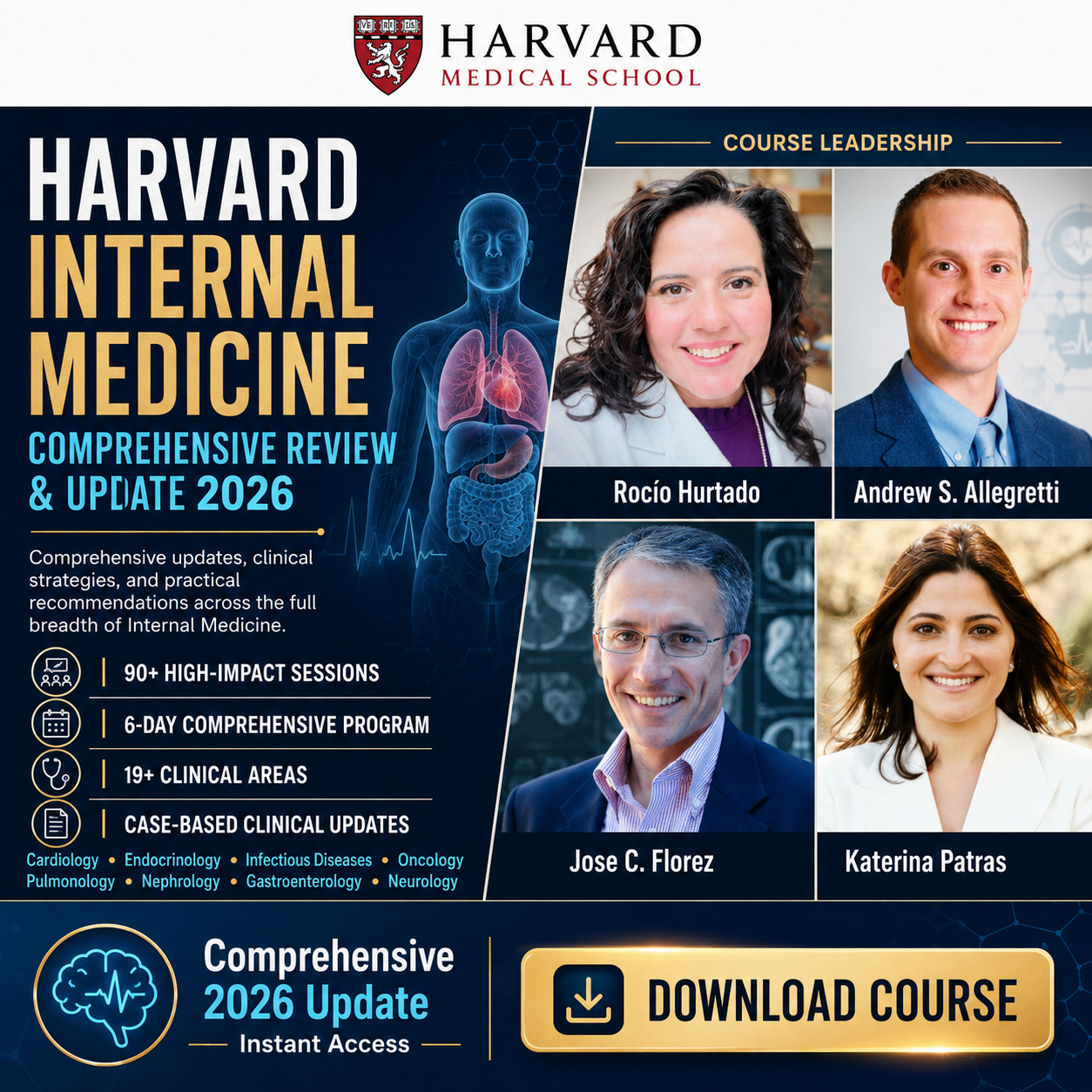
Harvard Internal Medicine Comprehensive Review & Update 2026

A comprehensive, high-yield review of Internal Medicine designed to help practicing clinicians stay current with major advances, new evidence, evolving guidelines, treatment strategies and practical approaches across ambulatory and inpatient medicine.

90+ high-impact sessions 6-day comprehensive curriculum Major Internal Medicine subspecialties

One Comprehensive 2026 Review

🩺
Broad Internal Medicine Coverage Cardiology, endocrinology, infectious disease, nephrology, oncology, pulmonology and more.
📚
High-Yield Clinical Updates Review evolving diagnostic strategies, therapeutics and practical recommendations.
🧠
Case-Based Learning Connect evidence and expert approaches with realistic clinical decision-making.
⚕️
Ambulatory + Inpatient Medicine Practical education addressing problems encountered throughout day-to-day clinical practice.
90+ Educational Sessions
6 Days of Education
19+ Clinical Areas
2026 Evidence & Practice Updates
Why This Program Matters

Internal Medicine Changes Fast. Your Clinical Knowledge Has to Keep Up.

New medications, guidelines, diagnostics, technologies and evidence continually reshape clinical practice. Staying current across the entire breadth of Internal Medicine can be difficult when your time is already consumed by patient care.

This comprehensive 2026 program brings together high-yield updates from across Internal Medicine to help clinicians understand what has changed, identify what matters and translate new evidence into more informed clinical decisions.

✓
Review major developments across Internal Medicine without relying on dozens of separate educational resources.
✓
Strengthen diagnostic and treatment decisions for common and challenging clinical presentations.
✓
Understand important new therapeutic options and evolving management strategies.
✓
Refresh knowledge across multiple subspecialties within one structured program.

Built Around the Problems Clinicians Face Every Day

Too many new guidelines Review clinically relevant developments that can influence real-world patient management.
New therapies appear constantly Understand newer agents and evolving therapeutic approaches across multiple specialties.
Difficult cases cross specialties Review approaches to complex patients with cardiovascular, renal, metabolic, infectious and other comorbidities.
Not enough time to review everything Consolidate a broad Internal Medicine update into one structured curriculum.
Comprehensive Coverage

Review the Breadth of Modern Internal Medicine

From cardiometabolic medicine to infectious diseases, oncology, neurology and hospital care.

Cardiovascular Medicine
Hematology & Oncology
CAR T-Cell Therapies
Immunotherapies & Biologics
Pulmonary Medicine
Critical Care Medicine
Infectious Diseases
Gastroenterology
Endocrinology
Rheumatology
Obesity Medicine
Nephrology
Women's Health
Hospital Medicine
Allergy & Immunology
Neurology
Psychiatry
Addiction Medicine
Palliative Care
Geriatrics
Pain Medicine
Metabolic Health
Cancer Screening
AI in Medicine
Who Should Participate?

Designed for Clinicians Who Need Broad, Current Medical Knowledge

Especially relevant to clinicians responsible for diagnosing, managing or coordinating care for adults with complex medical conditions.

🩺
Internists
⚕️
Family Physicians
🏥
Medical Specialists
👩‍⚕️
Nurse Practitioners
🧑‍⚕️
Physician Assistants
💊
Pharmacists
2026 Program Highlights

High-Yield Education Built Around Clinical Practice

A broad review of important evidence, treatment developments, clinical controversies and management strategies.

🎯

90+ Focused Sessions

Extensive instruction covering major diseases, guidelines and clinical challenges.

🧠

Case-Based Education

Connect contemporary evidence with practical clinical reasoning.

❤️

Cardiology Advances

CAD, ACS, arrhythmias, heart failure, lipids, valvular disease and preventive cardiology.

🧬

Modern Oncology

Immunotherapies, CAR T-cell therapy, screening advances and cancer management.

⚖️

Metabolic Health

Diabetes, obesity therapies, MASLD, exercise and metabolic disease.

🤖

AI in Medicine

Explore the developing role of artificial intelligence in modern healthcare.

🦠

Infectious Diseases

HIV, COVID-19, pneumonia, C. difficile, immunizations and antibiotics.

🫁

Pulmonary Updates

COPD, asthma, chronic cough, sleep apnea and respiratory infections.

📋

Practical Recommendations

Focus on knowledge relevant to ambulatory and inpatient clinical practice.

What You'll Review

Major Clinical Updates for 2026

Explore evolving evidence across prevention, diagnosis, treatment and long-term disease management.

Acute Kidney Injury
Chronic Kidney Disease
Hypertension
Hyperlipidemia
Acute Coronary Syndrome
Atrial Fibrillation
Heart Failure
Peripheral Arterial Disease
Type 2 Diabetes
Obesity Pharmacotherapy
Thyroid Disease
Osteoporosis
Sepsis
HIV/AIDS
Antibiotic Therapy
Immunizations
COPD & Asthma
Pneumonia
Chronic Cough
Sleep Apnea
Cirrhosis
Viral Hepatitis
GERD & IBS
MASLD
Breast Cancer
Prostate Cancer
Colon Cancer
Lung Cancer
Dementia
Stroke & Headache
Depression & Anxiety
Delirium
Learning Objectives

Turn New Evidence Into Better Clinical Decisions

01

Update Your Clinical Approach

Apply current evidence-based recommendations to diagnosis and management across important Internal Medicine conditions.

02

Integrate New Research

Incorporate relevant clinical and translational research into approaches used in ambulatory and inpatient medicine.

03

Strengthen Clinical Reasoning

Expand your understanding of contemporary diagnostic and management strategies across everyday clinical practice.

One Course. Dozens of Clinical Areas. 90+ High-Yield Sessions.

Build a more current and comprehensive understanding of Internal Medicine through one structured 2026 curriculum.

GET COURSE ACCESS →
Complete Curriculum

6 Days of Comprehensive Internal Medicine

Expand each day to review the topics and sessions included in the 2026 curriculum.

01
Monday — June 1, 2026 Nephrology • Rheumatology • Pain • AI • Metabolic Health • Addiction
7:00–7:15 AM
Introduction
Drs. Rocío Hurtado, Andrew Allegretti & Jose Florez
7:15–8:00 AM
Acute Kidney Injury: A Practical Framework
Dr. Andrew Lundquist
8:00–9:00 AM
Venous Thromboembolic Disease: A Practical Approach
Dr. Samuel Goldhaber
9:00–9:45 AM
Giant Cell Arteritis and Polymyalgia Rheumatica: Novel Approaches
Dr. Sebastian Unizony
10:15–10:45 AM
Recurrent Fever Syndromes in Adults
Dr. Jonathan Hausmann
10:45–11:45 AM
Dysnatremias: A Practical Approach
Dr. Juan Carlos Ayus
11:45 AM–12:30 PM
Long-Term Opioid Therapy for Chronic Pain
Dr. Gary Brenner
12:30–1:00 PM
Systemic Lupus for the Clinician
Dr. Karen Costenbader
1:00–1:45 PM
Update in Management of Chronic Kidney Disease, Including ESRD
Dr. David Steele
1:45–2:45 PM
AI in Medicine: A New Frontier
Dr. Rebecca Mishuris
2:45–3:30 PM
Inflammatory Arthritis Syndromes: What's New
Dr. Sheila Arvikar
Workshop A — Metabolic Health in 2026
4:30–5:15 PM
Management of Metabolic Dysfunction-Associated Steatotic Liver Disease
Dr. Kathleen Corey
5:15–6:00 PM
Pharmacologic Management of Obesity in 2026
Dr. Caroline Apovian
6:00–6:45 PM
Exercise for Health: What's New in 2026
Dr. Meagan Wasfy
Workshop B — Addiction Medicine
4:30–5:15 PM
Treating Opioid Use Disorder
Dr. Sarah Wakeman
5:15–6:00 PM
Intersection of Infectious Diseases and SUDs
Dr. Daniel Solomon
6:00–6:45 PM
Alcohol Use Disorder
Dr. Eugene Lambert
02
Tuesday — June 2, 2026 Endocrinology • Women's Health • Pulmonary • Allergy • Hematology
7:00–7:30 AM
Q&A with the Professors
7:30–8:15 AM
Updated Hypertension Guidelines and the SPRINT Trial
Dr. Randall Zusman
8:15–9:00 AM
Sepsis Update in 2026
Dr. Eric Schmidt
9:00–9:45 AM
Type 2 Diabetes: A Comprehensive Review for the Practicing Clinician
Dr. David Nathan
10:00–10:45 AM
Osteoporosis: A Practical Approach for 2026
Dr. Elaine Yu
10:45–11:30 AM
New Frontiers in Tobacco Cessation
Dr. Nancy Rigotti
11:30 AM–12:15 PM
Contemporary Management Strategies in Diabetes 2026
Dr. Deborah Wexler
12:15–12:45 PM
Menopause in 2026: What to Know
Dr. Mahmooda Qureshi
1:30–2:15 PM
Thyroid Disorders in 2026
Dr. Giuseppe Barbesino
2:15–3:00 PM
Allergy and Immunology Update
Dr. Aleena Banerji
3:00–3:30 PM
What's New in Sleep Apnea
Dr. James Mojica
3:30–4:15 PM
Anemia and Other Hematology Cases: Interactive Session
Dr. David Sykes
4:30–5:15 PM
Asthma Diagnosis and Management in 2026
Dr. Rod Rahimi
5:15–6:00 PM
New Approaches to the Refractory Chronic Cough
Dr. Kai Saukkonen
6:00–6:45 PM
COPD 2026
Dr. Walter O'Donnell
6:45 PM
Update in Gynecologic Oncology for the Internist
Dr. Marcela del Carmen
03
Wednesday — June 3, 2026 Infectious Diseases • Critical Care • Hospital Medicine
7:30–8:15 AM
HIV/AIDS Update in 2026
Dr. Rajesh Gandhi
8:15–9:00 AM
COVID-19 in 2026: Lessons Learned and Key Management Strategies
Dr. Arthur Kim
9:00–9:45 AM
Urinary Tract Infections: Contemporary Diagnosis and Management
Dr. Jacob Lazarus
9:45–10:30 AM
C. diff Update: Latest Concepts
Dr. Jessica Allegretti
10:45–11:15 AM
Cases in Critical Care Medicine in 2026
Dr. Kathryn Hibbert
11:15 AM–12:00 PM
Hospital Medicine Update
Dr. Melissa Mattison
12:00–12:45 PM
Pneumonia: A Practical Approach in 2026
Dr. Joshua Metlay
12:45–1:45 PM
NEJM Clinicopathologic Conference
2:30–3:15 PM
Skin/Soft Tissue Infections for the Clinician
Dr. Sandra Nelson
3:15–4:00 PM
What's New in Immunizations for the Practicing Clinician
Dr. Edward Ryan
4:15–5:00 PM
Common ENT and Respiratory Infections in Clinical Practice
Dr. Miriam Barshak
5:00–5:30 PM
Infections in the Immunocompromised Host
Dr. Camille Kotton
5:30–6:15 PM
Antibiotics: What You Need to Know in 2026
Dr. Alyssa Letourneau
6:15–7:15 PM
Update in Sexually Transmitted Diseases
Dr. Donna Felsenstein
04
Thursday — June 4, 2026 Oncology • Hematology • Gastroenterology • Obesity • Cardiology
7:30–8:15 AM
Breast Cancer Screening and Prevention in 2026
Dr. Wendy Chen
8:15–9:00 AM
Breast Cancer Management: What's New
Dr. Irene Kuter
9:00–9:45 AM
Coagulation I
Dr. David Kuter
10:00–10:45 AM
Coagulation II
Dr. David Kuter
10:45–11:30 AM
What You Need to Know About Immunotherapies in Oncology
Dr. Kerry Reynolds
11:30 AM–12:30 PM
The Continuing Evolution of Obesity Care 2026
Dr. Lee Kaplan
1:15–2:00 PM
Colon Cancer Screening Update in 2026
Dr. Daniel Chung
2:00–2:30 PM
Contemporary Management in Cirrhosis
Dr. Jay Luther
2:30–3:15 PM
Viral Hepatitis
Dr. Raymond Chung
3:15–4:00 PM
Update in GERD and Irritable Bowel Syndrome
Dr. Kyle Staller
4:00–4:45 PM
Update in GI Malignancies in 2026
Dr. David Ryan
Workshop A — New Frontiers in Hematology-Oncology
5:00–5:45 PM
CAR-T Cell Therapy for the Clinician
Dr. Patrick Connor Johnson
5:45–6:30 PM
New Frontiers in Rapid Cancer Screening
Dr. Douglas Micalizzi
6:30–7:15 PM
Lifestyle and Cancer
Dr. Amy Comander
Workshop B — Key Advances in Cardiology
5:00–5:45 PM
Nutrition and Cardiac Disease
Dr. Robert Ostfeld
5:45–6:30 PM
New Frontiers in Cardio-Oncology
Dr. Tomas Neilan
6:30–7:15 PM
Hot Topics in Valvular Disease
Dr. Evin Yucel
05
Friday — June 5, 2026 Cardiology • Oncology • Nephrology • Geriatrics • Palliative Care
7:30–8:15 AM
Best Approaches in the Evaluation of Patients with CAD
Dr. James Sawalla Guseh
8:15–9:00 AM
Acute Coronary Syndrome in 2026
Dr. Marc Sabatine
9:00–9:45 AM
Medicate, Dilate, or Operate? Management of CAD
Dr. Farouc Jaffer
10:00–10:45 AM
Atrial Fibrillation and Ventricular Arrhythmias
Dr. Moussa Mansour
10:45–11:15 AM
Thoracic Aorta Disease Update
Dr. Eric Isselbacher
11:15 AM–12:00 PM
Hyperlipidemia: Latest Concepts
Dr. Kaavya Paruchuri
1:15–2:00 PM
TB Update in 2026
Dr. Rocío Hurtado
2:00–2:45 PM
Management of the Patient with Heart Failure
Dr. Christopher Newton-Cheh
2:45–3:30 PM
Approach to Hepatorenal Syndrome and AKI in Cirrhosis
Dr. Andrew Allegretti
3:30–4:00 PM
Delirium in 2026: What the Clinician Needs to Know
Dr. Felicia Smith
4:15–5:00 PM
Lung Cancer: Management in 2026
Dr. Ibiayi Dagogo-Jack
5:00–5:30 PM
Update in Prostate Cancer
Dr. Anthony D'Amico
5:30–6:00 PM
Peripheral Arterial Disease: What You Need to Know
Dr. Douglas Drachman
6:00–7:00 PM
Palliative Care Update
Dr. Bethany-Rose Daubman
06
Saturday — June 6, 2026 Neurology • Geriatrics • Psychiatry • Dementia • Women's Cardiology
7:00–8:00 AM
Headaches and Stroke: Update for the Clinician
Dr. Aneesh Singhal
8:00–8:45 AM
Cases in Geriatrics: Pearls for the Practicing Clinician
Dr. Fadi Ramadan
8:45–9:45 AM
Update on Depression and Anxiety in 2026
Dr. Guy Maytal
10:15–11:15 AM
Innovations in Dementia Care: Screening, Management and Multidisciplinary Approaches
Drs. Mark Albers & Marina Avetisyan
11:15 AM
Heart Disease in Women in 2026
Dr. Amy Sarma
Course Leadership

Meet the Course Leadership

The comprehensive 2026 program is led by experienced physicians and medical educators across key areas of Internal Medicine.
Rocío Hurtado Course Leadership

Rocío Hurtado

MD, DTM&H

Director of the Mycobacterial Center of Excellence, Infectious Disease Division, Department of Medicine, Massachusetts General Hospital and Assistant Professor of Medicine at Harvard Medical School.
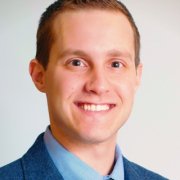
Andrew S. Allegretti Course Leadership

Andrew S. Allegretti

MD, MSc

Director of Critical Care Nephrology, Nephrology Division, Department of Medicine, Massachusetts General Hospital and Associate Professor of Medicine at Harvard Medical School.

Jose C. Florez Course Leadership

Jose C. Florez

MD, PhD

Physician-in-Chief and Chair, Department of Medicine, Mass General Brigham; Investigator, Center for Genomic Medicine; Institute Member, Broad Institute; and Jackson Professor of Clinical Medicine at Harvard Medical School.

Katerina Patras Course Administrator

Katerina Patras

Course Administrator

Internal Medicine Residency Program, Department of Medicine, Massachusetts General Hospital, and Course Administrator for Internal Medicine Comprehensive Review and Update 2026.

Faculty

A Broad Multispecialty Faculty

Sessions feature physicians and educators across the major disciplines represented in modern Internal Medicine.

Mark Albers, MD, PhD
Andrew Allegretti, MD, MSc
Jessica Allegretti, MD, MPH
Caroline Apovian, MD
Sheila Arvikar, MD
Marina Avetisyan, MD, PhD
Aleena Banerji, MD
Giuseppe Barbesino, MD
Miriam Barshak, MD
Gary Brenner, MD, PhD
Wendy Chen, MD, MPH
Daniel Chung, MD
Raymond Chung, MD
Amy Comander, MD
Kathleen Corey, MD, MPH
Karen Costenbader, MD, MPH
Ibiayi Dagogo-Jack, MD
Anthony D'Amico, MD, PhD
Bethany-Rose Daubman, MD
Marcela del Carmen, MD, MPH
Douglas Drachman, MD
Donna Felsenstein, MD
Jose C. Florez, MD, PhD
Rajesh T. Gandhi, MD
Samuel Goldhaber, MD
James Sawalla Guseh, MD
Jonathan Hausmann, MD
Kathryn Hibbert, MD
Rocío Hurtado, MD, DTM&H
Eric Isselbacher, MD, MSc
Farouc Jaffer, MD, PhD
Patrick Connor Johnson, MD
Arthur Kim, MD
Camille Kotton, MD
David Kuter, MD, DPhil
Irene Kuter, MD, DPhil
Eugene Lambert, MD, MBA
Jacob Eric Lazarus, MD, PhD
Alyssa Letourneau, MD, MPH
Andrew Lundquist, MD, PhD
Jay Luther, MD
Moussa Mansour, MD
Melissa Mattison, MD
Joshua P. Metlay, MD, PhD
Douglas Micalizzi, MD
Rebecca Mishuris, MD, MPH, MS
James Mojica, MD
David Nathan, MD
Tomas Neilan, MD, MPH
Sandra Bliss Nelson, MD
Christopher Newton-Cheh, MD
Walter O'Donnell, MD
Kaavya Paruchuri, MD
Mahmooda Qureshi, MD
Rod Rahimi, MD, PhD
Kerry Reynolds, MD
Nancy Rigotti, MD
David Ryan, MD
Edward Ryan, MD
Marc Sabatine, MD, MPH
Amy Sarma, MD
Kai Saukkonen, MD
Eric Schmidt, MD
Aneesh Singhal, MD
Felicia Smith, MD
Daniel Solomon, MD
Kyle Staller, MD, MPH
David Steele, MBBCh
David Sykes, MD, PhD
Sebastian Unizony, MD
Sarah Wakeman, MD
Meagan Wasfy, MD
Deborah Wexler, MD, MSc
Elaine Yu, MD, MMSc
Evin Yucel, MD
Randall Zusman, MD
Juan Carlos Ayus, MD
Lee Kaplan, MD
Guy Maytal, MD
Robert Ostfeld, MD, MSc
Fadi Ramadan, MD
Comprehensive Internal Medicine • 2026

Upgrade Your Internal Medicine Knowledge for 2026

Review key updates across cardiology, endocrinology, infectious diseases, pulmonology, oncology, nephrology, gastroenterology, neurology and other essential areas of practice.
90+ educational sessions 6-day curriculum Major Internal Medicine subspecialties Case-based education
▶ GET COURSE ACCESS
Frequently Asked Questions

Course Information

What does this program cover?
The curriculum spans the breadth of Internal Medicine, including cardiology, infectious diseases, endocrinology, pulmonary medicine, nephrology, gastroenterology, hematology-oncology, rheumatology, neurology, psychiatry, geriatrics, women's health, obesity medicine and more.
Who is this program designed for?
It is particularly relevant to internists, family physicians, medical specialists, nurse practitioners, physician assistants, pharmacists and other healthcare professionals seeking a broad Internal Medicine review.
Does the curriculum include recent treatment updates?
Yes. The 2026 curriculum addresses newer treatments and evolving management strategies across diabetes, obesity, cardiovascular medicine, oncology, infectious diseases, pulmonary medicine and other clinical areas.
Are clinical cases included?
The curriculum includes case-oriented and interactive sessions designed to connect contemporary evidence with real-world clinical reasoning.
Are workshops included?
The curriculum includes dedicated workshop content covering Metabolic Health, Addiction Medicine, Hematology-Oncology and advances in Cardiology.

13 reviews for Internal Medicine Comprehensive Review and Update – 2026 Update

  1. Emmitt Wiggins
    This is a very comprehensive program and the quality of the topic selection is strong. I found the cardiology, diabetes, infectious disease, renal, an...More
    This is a very comprehensive program and the quality of the topic selection is strong. I found the cardiology, diabetes, infectious disease, renal, and pulmonary sections especially relevant, and there are many useful sessions on oncology, geriatrics, and mental health as well. My only reason for giving four rather than five stars is that the sheer amount of material can be overwhelming if you try to move through it quickly. I would recommend approaching it by specialty and focusing first on the areas most relevant to your own practice. Once I did that, the course became much easier to use. For clinicians who want a broad 2026 update and are prepared to work through a substantial curriculum, it offers a lot of valuable material.
    Helpful? 0 0
    Garret Herrera
    I was impressed by how current the topic selection feels. The curriculum includes AI in medicine, newer obesity therapies, contemporary diabetes manag...More
    I was impressed by how current the topic selection feels. The curriculum includes AI in medicine, newer obesity therapies, contemporary diabetes management, updated cardiovascular strategies, cancer immunotherapies, rapid cancer screening concepts, and evolving approaches to infectious disease. At the same time, it does not neglect fundamentals such as electrolyte disorders, CKD, asthma, COPD, GERD, cirrhosis, headaches, stroke, depression, and geriatrics. That combination makes the program useful for clinicians who want to understand what is new without losing sight of everyday Internal Medicine. I also appreciate the emphasis on practical frameworks rather than purely academic discussion. The course gave me a structured way to review a very broad field and prioritize the updates most likely to affect my clinical practice.
    Helpful? 0 0
    Tami Nichols
    This program helped me review several areas that I do not encounter often enough to stay naturally current. Rheumatology, hematology, allergy and immu...More
    This program helped me review several areas that I do not encounter often enough to stay naturally current. Rheumatology, hematology, allergy and immunology, palliative care, and some of the oncology topics were particularly useful in that respect. I liked having concise updates on conditions such as giant cell arteritis, lupus, inflammatory arthritis, anemia, coagulation problems, and immunotherapy complications alongside the more familiar cardiology and endocrine sessions. A comprehensive course should do more than reinforce what you already know; it should show you where your blind spots are. This curriculum accomplished that for me. The large number of sessions requires a meaningful time commitment, but the ability to choose topics and revisit areas of weakness makes the program practical for ongoing review.
    Helpful? 0 0
    Ruth English
    The metabolic health content was one of the strongest parts of the course for me. Obesity management has changed rapidly, and the program addresses ph...More
    The metabolic health content was one of the strongest parts of the course for me. Obesity management has changed rapidly, and the program addresses pharmacologic treatment, lifestyle, exercise, fatty liver disease, diabetes, and cardiovascular risk in a connected way. This is much more useful than studying obesity or diabetes in isolation because the same patients frequently have hypertension, dyslipidemia, sleep apnea, liver disease, and kidney disease. I also appreciated that the curriculum includes discussions of newer agents and current treatment strategies rather than repeating basic material. The broader Internal Medicine sessions provide helpful context and make the course suitable for clinicians who want both a metabolic update and a general refresh across other important specialties.
    Helpful? 0 0
    Erasmo Hahn
    What I appreciated most was the balance between common outpatient medicine and higher-acuity inpatient topics. The curriculum moves from hypertension,...More
    What I appreciated most was the balance between common outpatient medicine and higher-acuity inpatient topics. The curriculum moves from hypertension, diabetes, menopause, thyroid disease, and osteoporosis to sepsis, critical care cases, acute kidney injury, pneumonia, arrhythmias, and hepatorenal syndrome. That range mirrors the reality of Internal Medicine better than a course focused only on ambulatory care. I also liked the inclusion of geriatrics, delirium, dementia, depression, anxiety, and palliative care because these are central to caring for older adults but can receive less attention in general update programs. The lectures gave me a useful checklist of areas where recommendations have evolved and where I should reconsider my usual approach. It is a thorough and clinically relevant review.
    Helpful? 0 0
    Nathan Marshall
    I found the oncology and hematology portion particularly strong because it explains newer concepts that general clinicians increasingly encounter. The...More
    I found the oncology and hematology portion particularly strong because it explains newer concepts that general clinicians increasingly encounter. The discussions of immunotherapies, CAR-T cell therapy, cancer screening, breast cancer, lung cancer, prostate cancer, GI malignancies, and coagulation helped me better understand terminology and treatment changes that often appear in specialist notes. The course also connects these topics with practical Internal Medicine issues such as anemia, infections in immunocompromised patients, cardiovascular disease, and palliative care. That broader context is useful for clinicians who are not oncologists but still care for patients during and after cancer treatment. The program is comprehensive without feeling narrowly focused on one discipline, and I would recommend it to anyone wanting a serious 2026 clinical refresh.
    Helpful? 0 0
    Hubert Levy
    The infectious disease content alone made this review worthwhile for me, but the larger value is how the program places those updates within the broad...More
    The infectious disease content alone made this review worthwhile for me, but the larger value is how the program places those updates within the broader Internal Medicine picture. HIV, COVID-19, urinary infections, C. difficile, pneumonia, immunizations, antibiotic use, infections in immunocompromised patients, and sexually transmitted infections are all covered. These topics are frequently encountered and recommendations can change quickly. I appreciated being able to review them alongside renal, pulmonary, cardiac, and metabolic issues that often affect the same patients. The course also includes practical Q&A and case-oriented sessions, which helps move beyond memorizing guidelines. It is a substantial amount of material, but the scope is exactly what makes it valuable as a comprehensive annual update.
    Helpful? 0 0
    Arthur Griffith
    As a primary care clinician, I need to stay comfortable with a very wide range of conditions, and that is exactly why this curriculum appealed to me. ...More
    As a primary care clinician, I need to stay comfortable with a very wide range of conditions, and that is exactly why this curriculum appealed to me. The program covers the problems I see constantly, including hypertension, diabetes, thyroid disease, osteoporosis, asthma, COPD, infections, lipid management, obesity, depression, and cancer screening. At the same time, it includes more advanced updates such as CAR-T therapy, immunotherapies, cardio-oncology, and AI in medicine, which helps me understand what may affect patients returning from specialty care. I especially liked the emphasis on practical approaches and clinical cases. The course does not assume that every participant is a subspecialist, making it a useful way to strengthen broad clinical confidence while staying aware of newer developments.
    Helpful? 0 0
    Margret Snyder
    I was mainly interested in the cardiology and metabolic sections, but I ended up finding value throughout the entire program. The coverage of coronary...More
    I was mainly interested in the cardiology and metabolic sections, but I ended up finding value throughout the entire program. The coverage of coronary artery disease, acute coronary syndrome, arrhythmias, heart failure, hypertension, lipids, obesity, and diabetes is extensive. I also appreciated the pulmonary, infectious disease, and renal updates because those conditions frequently complicate cardiovascular patients. The course does a good job of showing how new therapies and evolving recommendations affect everyday management. The sessions are focused enough to remain practical while still providing the context needed to understand why recommendations are changing. For clinicians who want to refresh multiple areas without purchasing a separate course for every specialty, the breadth of this review is a major advantage.
    Helpful? 0 0
    Buster Schneider
    This course is useful for anyone who feels overwhelmed by the volume of new medical information published every year. I do not have time to follow eve...More
    This course is useful for anyone who feels overwhelmed by the volume of new medical information published every year. I do not have time to follow every subspecialty guideline independently, so I appreciated having major 2026 developments organized into one program. The curriculum covers both common problems and topics that are easy to overlook, including dysnatremias, chronic cough, delirium, palliative care, immunotherapies, viral hepatitis, and newer obesity treatments. The practical framing of many sessions is a major strength. Instead of only presenting background science, the lectures often focus on how clinicians evaluate and manage real problems. I came away with several areas I want to review further, which is a good sign that the course successfully exposed gaps I had not recognized.
    Helpful? 0 0
    Vance Willis
    The biggest benefit for me was seeing how different specialties overlap in the care of complex adult patients. A patient with heart failure may also h...More
    The biggest benefit for me was seeing how different specialties overlap in the care of complex adult patients. A patient with heart failure may also have diabetes, obesity, chronic kidney disease, anemia, and medication issues, and this course reflects that reality. I liked that the curriculum does not stay inside a single specialty. It moves from cardiology and nephrology to metabolic health, infections, pulmonary disease, oncology, geriatrics, and psychiatry. Several presentations gave me a clearer framework for deciding what deserves priority when multiple conditions are present. The updated treatment discussions were also useful because they highlight where older habits may need to be reconsidered. Overall, this is a strong broad review for clinicians managing medically complicated patients.
    Helpful? 0 0
    Nannie House
    I wanted a course that could help me identify areas where my knowledge had become dated, and this program does that very well. Internal Medicine chang...More
    I wanted a course that could help me identify areas where my knowledge had become dated, and this program does that very well. Internal Medicine changes so quickly that it is easy to stay current in the topics you see every day while missing important developments elsewhere. The combination of cardiology, endocrinology, pulmonology, infectious diseases, oncology, nephrology, and neurology gives the course real value. I found the sessions on updated diabetes strategies, hypertension, COPD, immunizations, and cancer screening particularly helpful. The program is dense, but the organization makes it manageable. It feels more like a comprehensive clinical update than a collection of unrelated lectures, which is exactly what I was looking for.
    Helpful? 0 0
    Dillon Grimes
    What stood out to me was the breadth of the curriculum. I regularly manage patients with diabetes, hypertension, kidney disease, and cardiovascular pr...More
    What stood out to me was the breadth of the curriculum. I regularly manage patients with diabetes, hypertension, kidney disease, and cardiovascular problems, so having one structured review that connects those areas is extremely useful. The sessions on obesity treatment, heart failure, chronic kidney disease, and infectious disease updates were especially relevant to day-to-day practice. I also appreciated that the program includes newer topics such as AI in medicine and modern oncology therapies without losing focus on core Internal Medicine. The case-based approach makes the material easier to translate into real clinical decisions. For a clinician who wants a broad 2026 refresh rather than several separate specialty courses, this is a very practical option.
    Helpful? 0 0
Add a review
X

New item(s) have been added to your cart.

Frequently bought with Internal Medicine Comprehensive Review and Update - 2026 Update


The Brigham Board Review and Comprehensive Update in Critical Care Medicine - 2026 Update
The Brigham Board Review and Comprehensive Update in Critical Care Medicine - 2026 Update Original price was: $1,195.00.Current price is: $138.88.
View more
Johns Hopkins Perioperative Management-In Its 41st Year - 2026 Update
Johns Hopkins Perioperative Management-In Its 41st Year - 2026 Update Original price was: $1,195.00.Current price is: $158.88.
View more
The Brigham Board Review and Comprehensive Update in Pulmonary Medicine
The Brigham Board Review and Comprehensive Update in Pulmonary Medicine Original price was: $995.00.Current price is: $148.88.
View more
The Osler General Surgery - 2026 Subscription-Based Review
The Osler General Surgery - 2026 Subscription-Based Review Original price was: $1,050.00.Current price is: $158.88.
View more
Cleveland Clinic Heart Failure Summit – 2026 Update
Cleveland Clinic Heart Failure Summit - 2026 Update Original price was: $795.00.Current price is: $128.88.
View more
Cleveland Clinic Caring for the Young Adult Heart - 2026 Update Original price was: $500.00.Current price is: $138.88.
View more
Oakstone Comprehensive Review of Urology
Oakstone Comprehensive Review of Urology Original price was: $1,195.00.Current price is: $148.88.
View more
Oakstone Cytopathology: Masters of Pathology Series – 2026 Update
Oakstone Cytopathology: Masters of Pathology Series - 2026 Update Original price was: $895.00.Current price is: $144.88.
View more
WhatsApp Chat with Medloria